
Prime Home Health and Companion Care
https://primehhcc.nwsltr.infoCoping with Seasonal Allergies
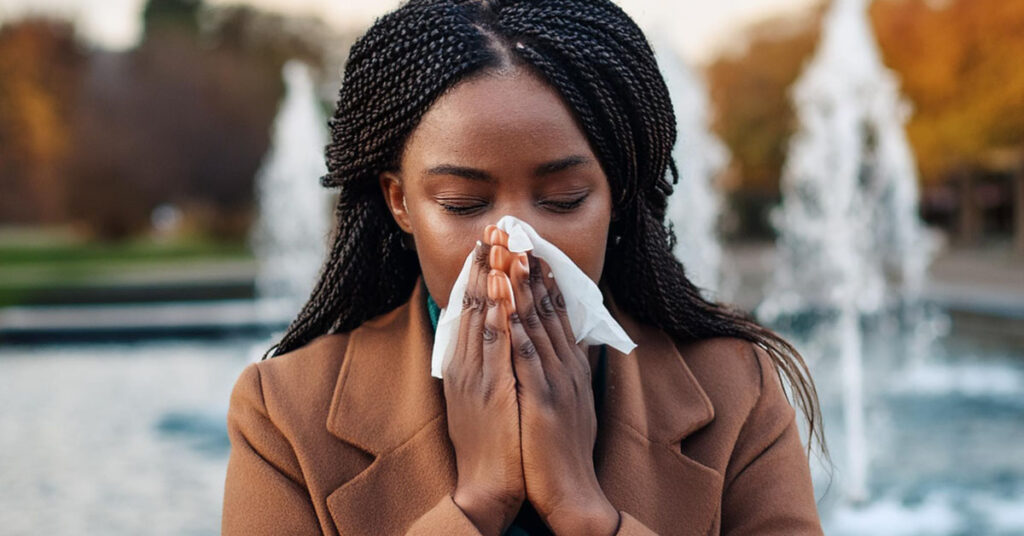
Spring's arrival brings blooming flowers and warmer days, but for many, it also heralds the onset of seasonal allergies, commonly known as hay fever. Symptoms, such as sneezing, congestion, a runny nose, and itchy eyes, can make this vibrant season challenging. Fortunately, with proactive measures, you can manage these symptoms effectively and enjoy the season to its fullest.
Understanding Seasonal Allergies
Seasonal allergies occur when your immune system overreacts to airborne substances like pollen from trees, grasses, and weeds. These allergens are more prevalent during specific times of the year, leading to symptoms such as:
- Sneezing
- Nasal congestion
- Runny nose
- Itchy or watery eyes
- Coughing
- Fatigue
In the U.S., tree pollen is the primary culprit in early spring, followed by grass pollen in late spring and summer, and weed pollen in late summer and fall.
Strategies to Manage and Prevent Allergy Symptoms
1. Monitor Pollen Levels
Stay informed about daily pollen forecasts through local news, weather apps, or websites like the National Allergy Bureau. Plan outdoor activities when pollen counts are lower, typically after rain or in the late afternoon.
2. Limit Outdoor Exposure
- Stay indoors on dry, windy days when pollen counts are high.
- Avoid outdoor chores like lawn mowing or gardening during peak pollen times.
- If you must be outside, wear sunglasses and a mask to reduce pollen contact.
3. Maintain Clean Indoor Air
- Keep windows and doors closed during high pollen seasons.
- Use air conditioning with clean filters to cool your home.
- Employ HEPA filters in your HVAC system and air purifiers to trap allergens.
4. Personal Hygiene Practices
- Shower and change clothes after being outdoors to remove pollen from your skin and hair.
- Avoid hanging laundry outside, as pollen can cling to fabrics.
- Wash bedding regularly in hot water to eliminate allergens.
5. Medication and Treatment Options
- Over-the-counter antihistamines can help alleviate symptoms such as sneezing, itching, and a runny nose.
- Nasal corticosteroid sprays help reduce inflammation and congestion.
- For persistent symptoms, consult a healthcare provider about prescription medications or immunotherapy options, such as allergy shots.
Additional Tips
- Home Environment: Regularly clean floors with a vacuum equipped with a HEPA filter.
- Pets: Wipe pets' fur and paws after they come indoors to prevent pollen from spreading.
- Diet: Some individuals find relief by reducing intake of histamine-rich foods like alcohol and fermented products.
By implementing these strategies, you can significantly reduce your exposure to allergens and alleviate the discomfort associated with seasonal allergies. Remember, if symptoms persist or worsen, it's essential to consult with a healthcare professional for personalized advice and treatment options.
Sources:
Top Tips for Battling Spring Pollen Season, available from: https://www.snallergy.com/spring-allergies-complete-guide-fighting-pollen-season/?utm
Mayo Clinic, Seasonal Allergies: Nip Them in the Bud, available from: https://www.mayoclinic.org/diseases-conditions/hay-fever/in-depth/seasonal-allergies/art-20048343?utm